
LUCE 351
YEAR 63
March 2025
Magazine founded in 1962 by AIDI
Editor-in-Chief Mariella Di Rao
Clicca qui per la versione in italiano
Contacts for back issues:
phone +39 02 87389237
e-mail redazione@rivistaluce.it
Cover image specially created for LUCE by the video artist and master Fabrizio Plessi
€18,00
30 disponibili
In this issue:
INTERVIEWS
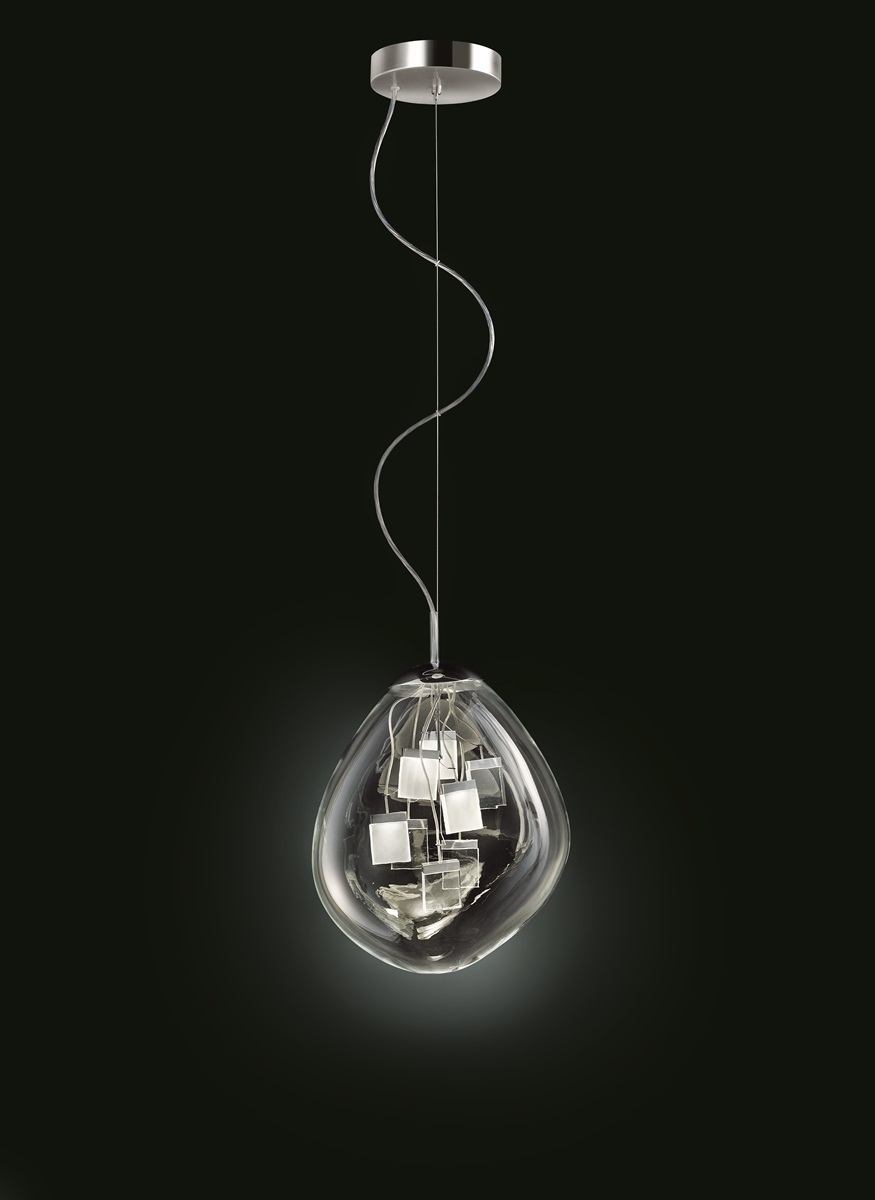
Massimo Iosa Ghini: “I use light to build value”
by Pierluigi Masini
Thinking about light with your eyes closed helps you recover the feeling of certain situations, the memory of images that enter into your research: this is how the interview with the architect and designer Massimo Iosa Ghini begins.
“I connect the theme of light to how I perceive myself and my work. I always thought of myself as not being an artist, but then I realised that the way the artist is understood by our society looks like me. A distinction between being an artist – someone who is not practical – and, instead, doing work that brings something useful to others exists, it is there. It is an old debate that I found in Nuccio Ordine’s recent essay (L’utilità dell’inutile, or The usefulness of the useless) and it gave me many interesting insights. I have always been there, on that ridge…”
INTERVIEWS
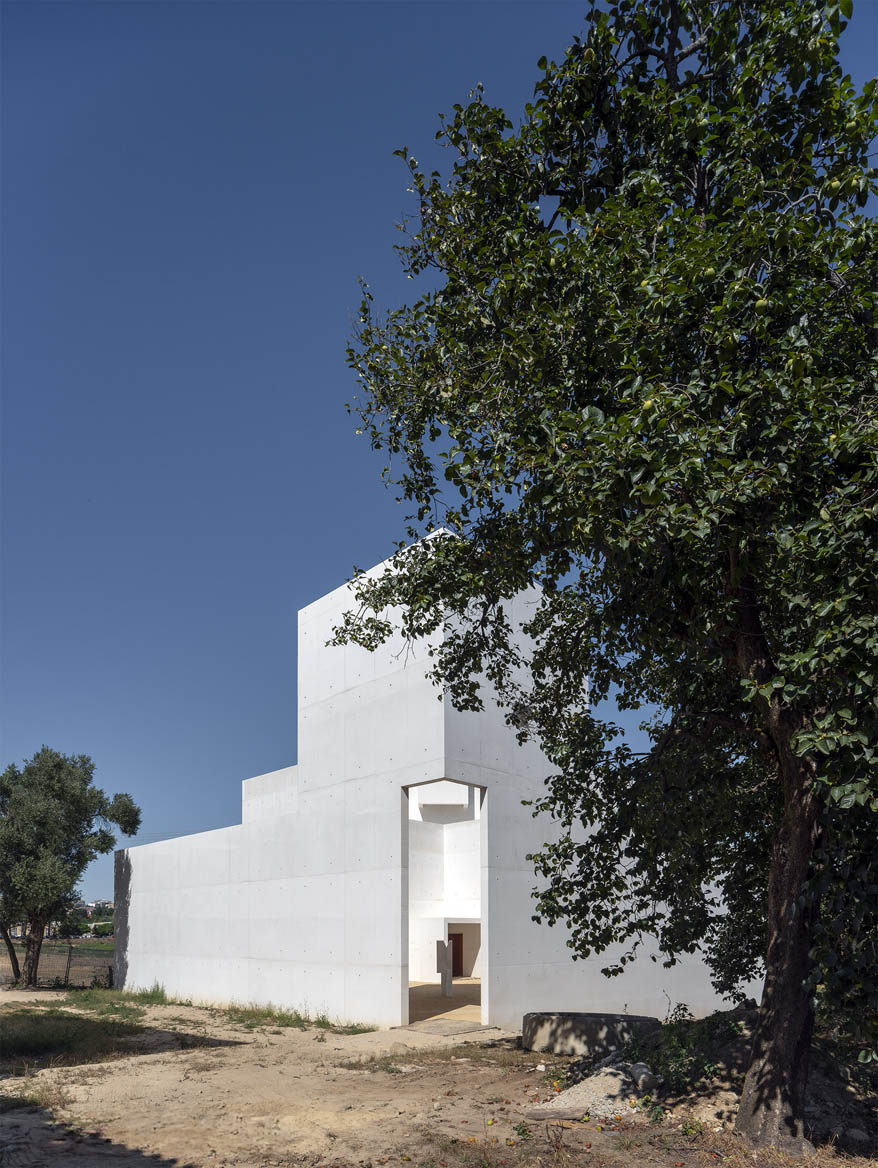
Álvaro Siza: “Light simply exists”
by Nancy Tollins
Álvaro Siza, the Portuguese architect and exponent of modernism – poetic, hermetic and shy – gives us a short (real) interview during an (imaginary) travel to the Leça do Balio Monastery, a former Benedictine monastery dating back to the 11th century and now a national monument. Partially inaugurated last June, its most notable feature is that it is on the route, and an important station, of the Camino de Santiago de Compostela (Spain), one of the oldest and most famous pilgrimage destinations in the Christian world. Siza has designed its redevelopment, which includes the recovery of the historic parts, allocating them to new uses, and the creation of an ex-novo building, the Km234. With the great architect, we talk about the future of architecture and the relationship between new technologies and humanism…
INTERVIEWS
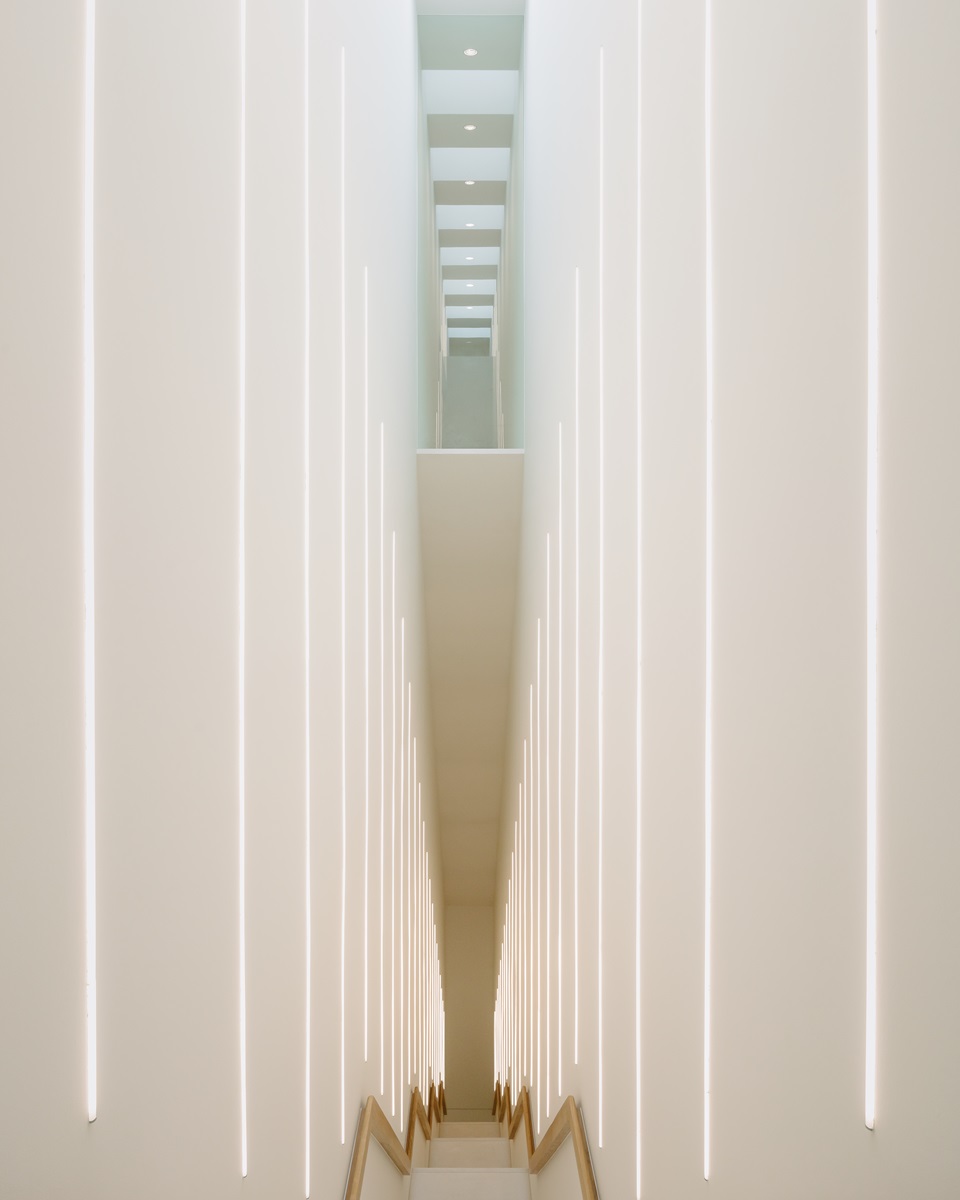
Natural light takes centre stage in Dikkie Scipio’s lighting
by Paola Testoni
“…We cannot do without the comfort and benefits of lighting systems: they are invaluable, especially in museum spaces where slight variations make all the difference. Although having said that, I still appreciate the quality of natural light with its fluctuations, different colours, angles and tones that change throughout the day and seasons. Through its light, nature gives you information about where you are and tells you what time of day it is, guides your orientation and helps you prevent fatigue. People will instinctively feel this quality, so, as far as I am concerned, whenever possible, I try to include natural light to highlight the architectural path…” Thus, begins the interview with Dikkie Scipio, a Dutch architect and one of the founders of KAAN Architecten in Rotterdam, who talks about the importance of being able to use the full potential of light in architectural projects…
INTERVIEWS
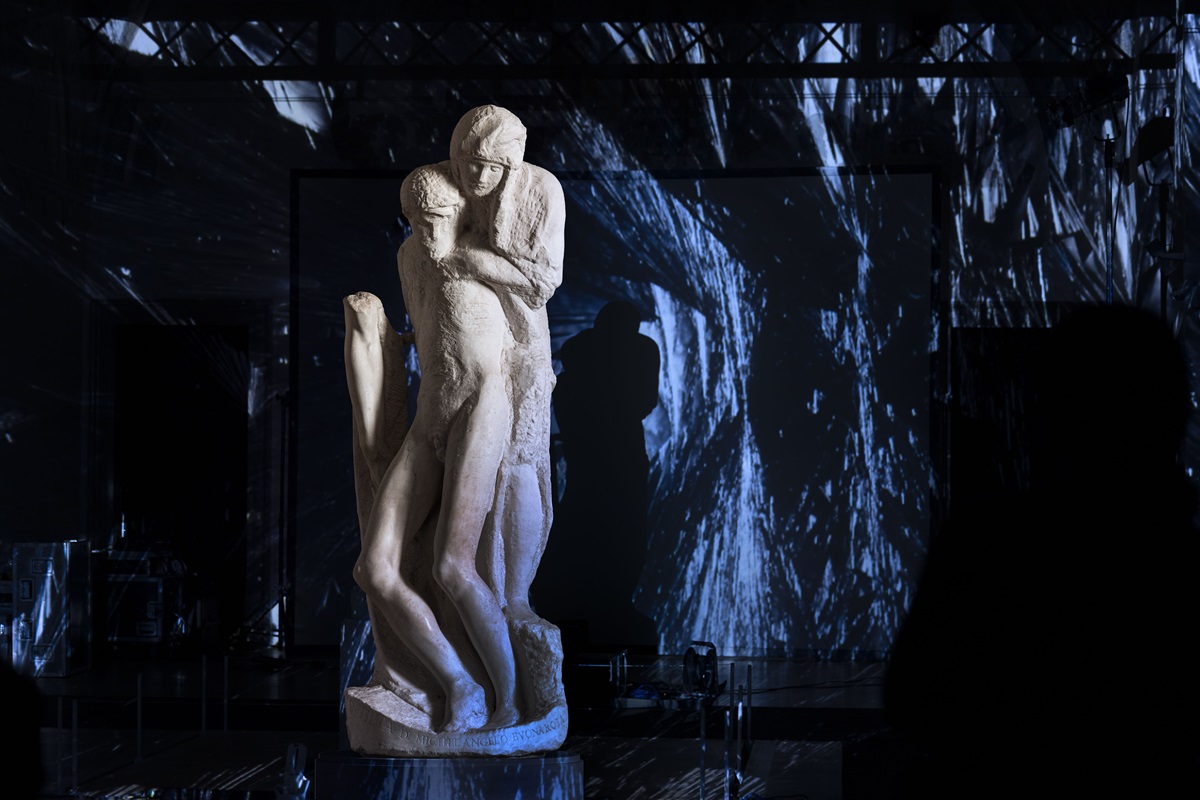
Euroluce 2025: the International Forum of Light is launched
by Mariella Di Rao
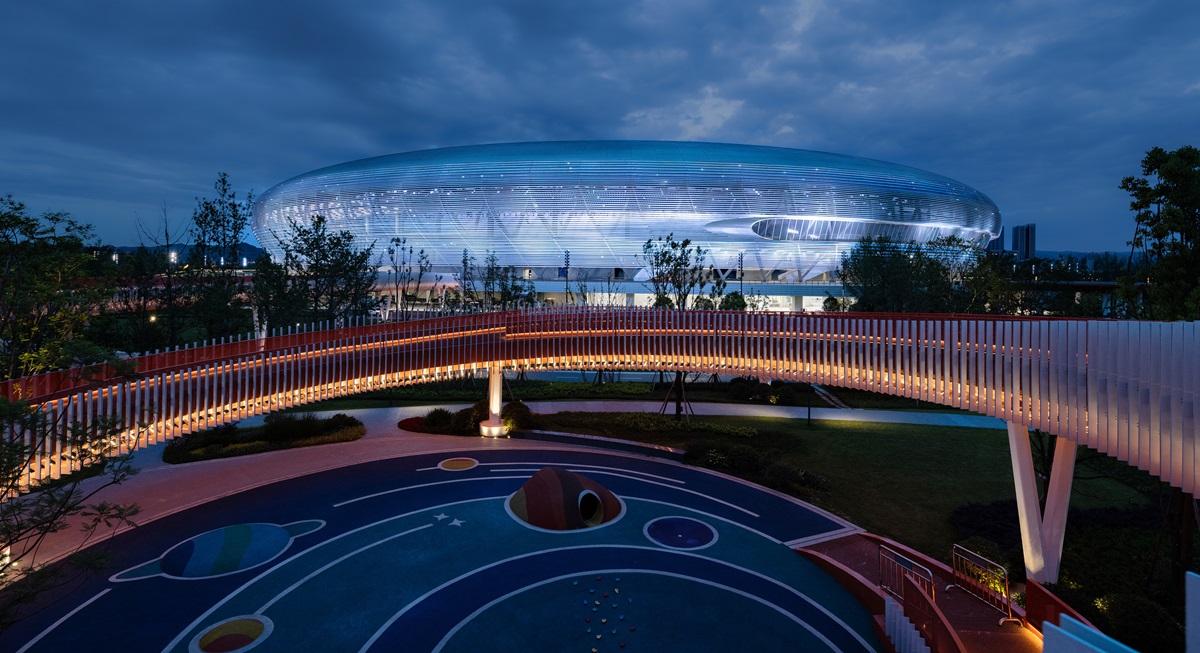
Maria Porro, president of the Milan Furniture Fair and enlightened entrepreneur, tells us about her vision of what designing light means today and the new features of the latest edition of Euroluce, including the first edition of The Euroluce International Forum, two days (10 and 11 April) dedicated entirely to lighting design. There will be six master classes, two round tables and two workshops with more than twenty international speakers including lighting designers, architects, artists, set designers, scientists, biologists, anthropologists, astronomers and psychologists invited to share their visions, insights and research and design practices with the aim of stimulating a deeper understanding of the future of lighting from a multidisciplinary viewpoint…
INTERVIEWS
The holistic and responsible light of Carla Wilkins
by Monica Moro
In this interview Carla Wilkins, Senior Partner of the prestigious studio Lichtvision Design and president-elect of the IALD (International Association of Lighting Designers) talks about her vision of light and the role of the lighting designer in an ever more fluid and cross-cultural context. “…Lighting design is a strong cross-over discipline, as lighting addresses functional needs, emotions and environmental responsibility… light makes the difference in all its aspects: daylight, artificial light or visual media… However, the DNA of lighting design is always in the context of cross-disciplinary collaboration to best serve clients and users…”
INTERVIEWS
The balance point of Franco Raggi
by Monica Moro
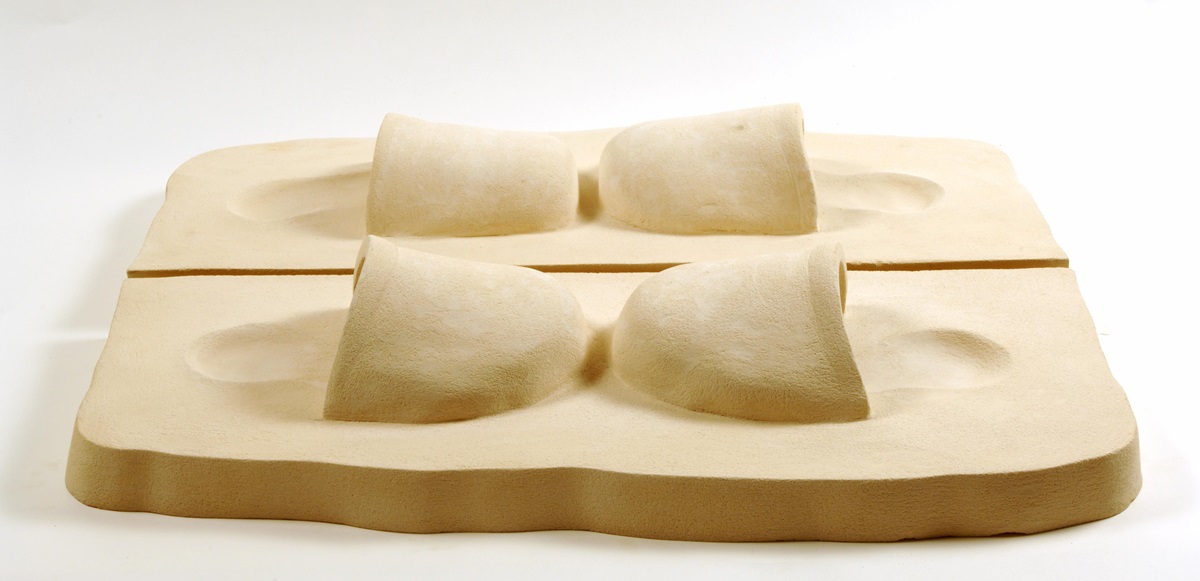
An uncertainty of stability is a way, or rather a precaution, to escape from a situation that perhaps makes us falsely stable and to seek new balance points. The search for “another” equilibrium point allows us to get out of the immobility, the context and the situations around us to look for a new vantage point. “The drawings I did in the 1970s are a sort of metaphor for the classical elements of architecture. They are fragments in situations of precarious balance, an allegory of the fall of meaning of language in architecture, of architecture without quality.” LUCE caught up with Franco Raggi, the “non-architect”, as he calls himself, who was part of movements such as the Radical design and Studio Alchimia that made the Italian design known throughout the world…
INTERVIEWS
The invisible breath of light in The Force of Destiny
by Paolo Calafiore
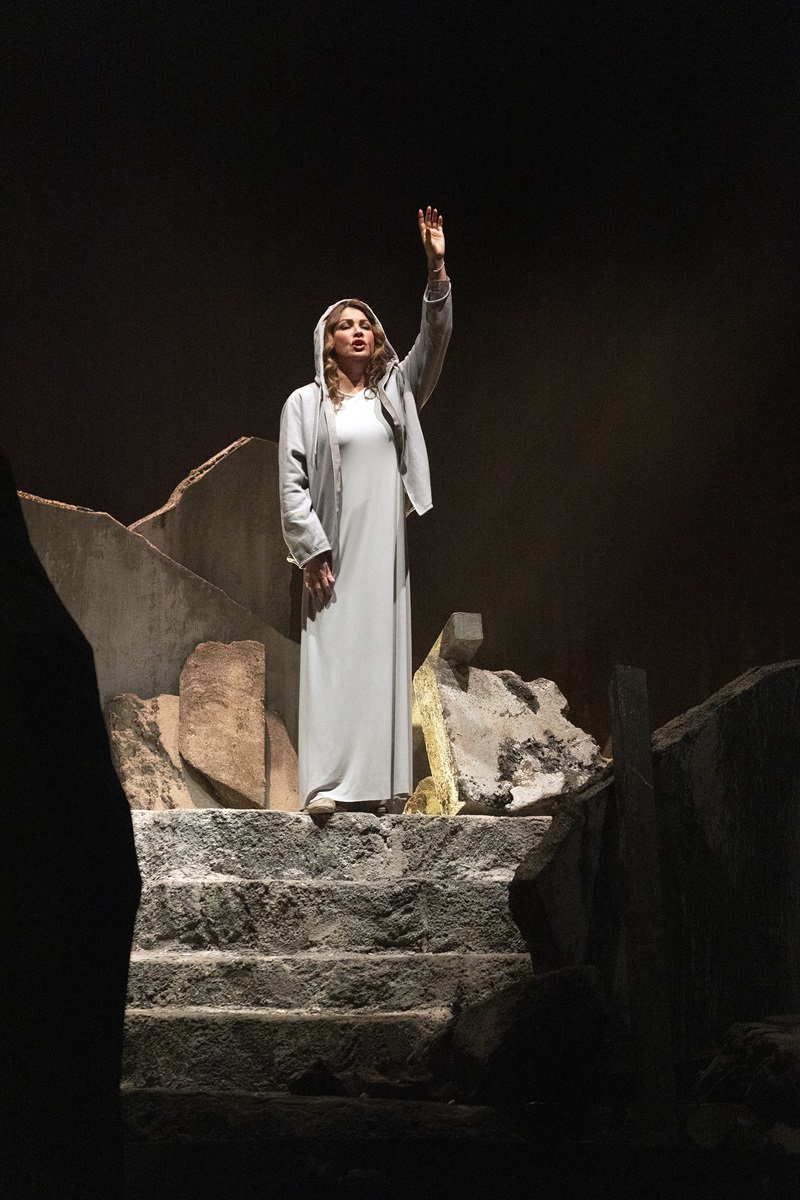
LUCE meets Leo Muscato who opened the La Scala 24/25 season with Giuseppe Verdi’s The Force of Destiny, an opera that has been awaited as the season opener since 1965. Muscato explains the visual relationships he seeks to establish between music and light in his vision as a director of opera theatre, and in particular how the dramaturgical and scenic structure of The Force of Destiny, centred on the continuous rotation of space, came about, suspended in a fluctuation of changes of light that made it possible to approach, almost with a magnifying glass, and listen to the drama of Leonora and Don Alvaro, and to move away and observe the landscape and the ensemble paintings, in a continuous coming and going of events and states of mind that the director has called the “Wheel of Fate”…
INTERVIEWS
Luca Mercalli: “My passion for climate was born from light”
by Mariella Di Rao
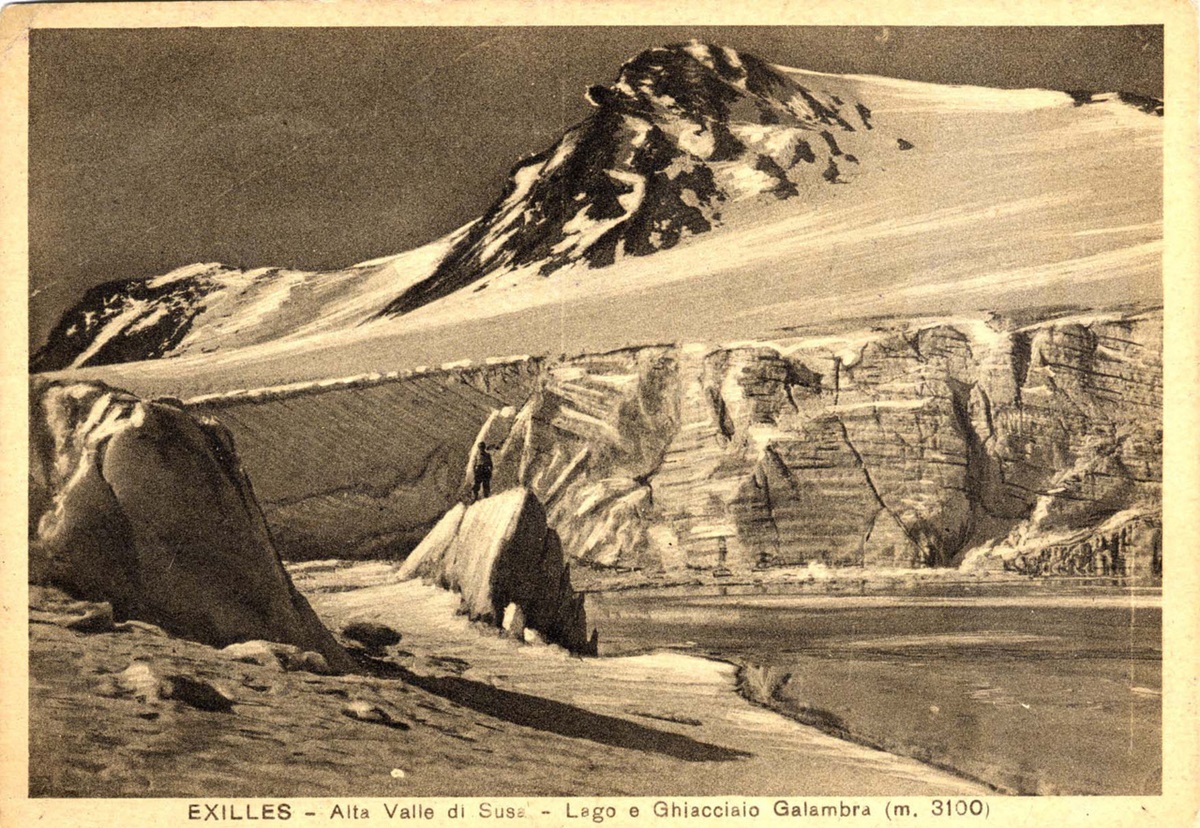
We met Luca Mercalli, a climatologist, journalist, science populariser and president of the Italian Meteorological Society. Mercalli is committed to disseminating a lifestyle that is more attentive to reducing ecological impact, reminding us that our planet’s resources are limited and that we need to change our mental approach and be more mindful, starting with lighting, which should only be used where and when needed. Precisely because the stakes are high, the survival of mankind for the next few centuries, the famous climatologist also calls upon the humanities, such as sociologists, anthropologists, philosophers and psychologists in order to understand why this message is struggling so hard to make its way into our lives and find a solution to this problem together…
DESIGNING LIGHT
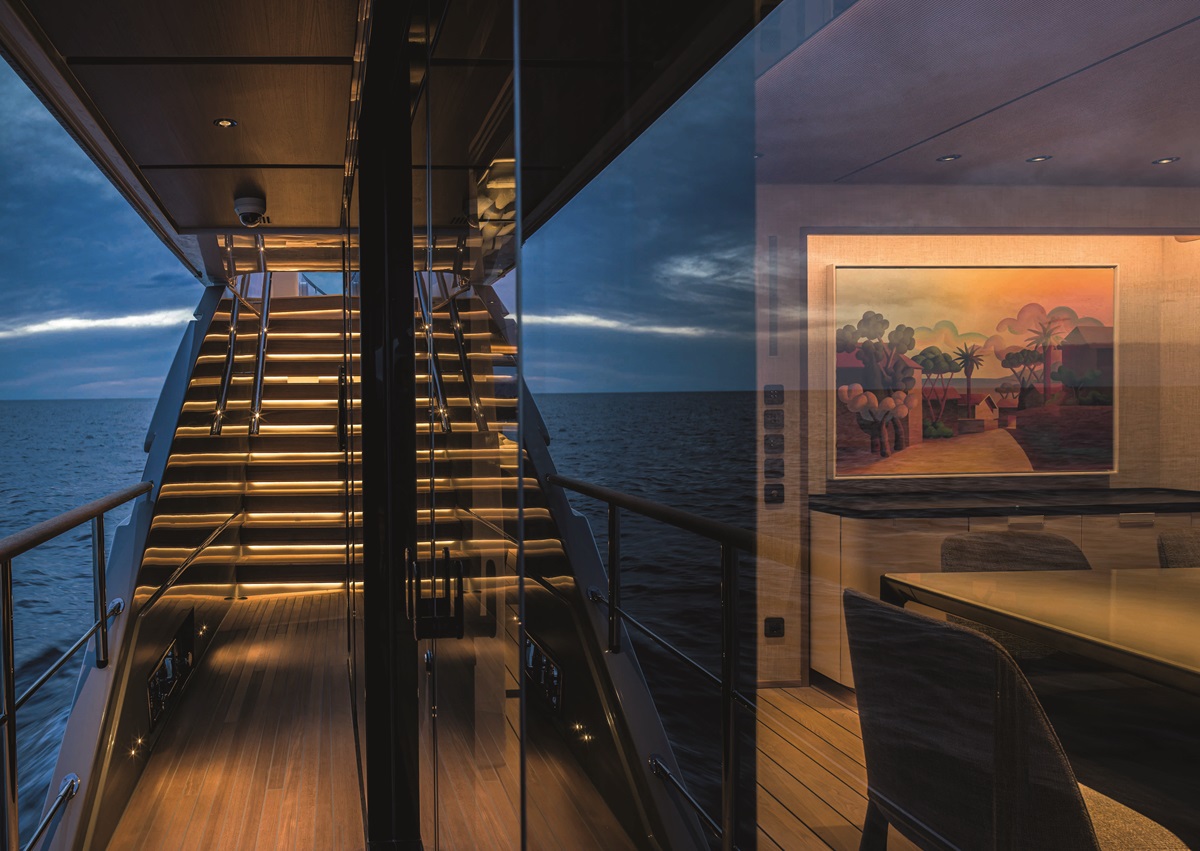
The language of light in nautical projects
by Federica Capoduri
“Yachting is a luxury industry, but this wealth is many times reflected in the presence of plasma screens, precious materials and works of art. When it comes to lighting, however, there is often a lack of sensitivity towards quality… This lack of sensitivity and culture about light, which is found here as in other sectors, is quite daunting.” In this multi-voice story, the architects Marinella Patetta and Claudio Valènt, founding partners of Metis Lighting – an international studio that designs for various sectors, from residential to public, from retail to hospitality and from artistic to nautical – and the project manager Paolo Giovane, offer us very interesting insights and reflections on the lighting design of these splendid floating architectures…
LIGHTING DESIGNERS
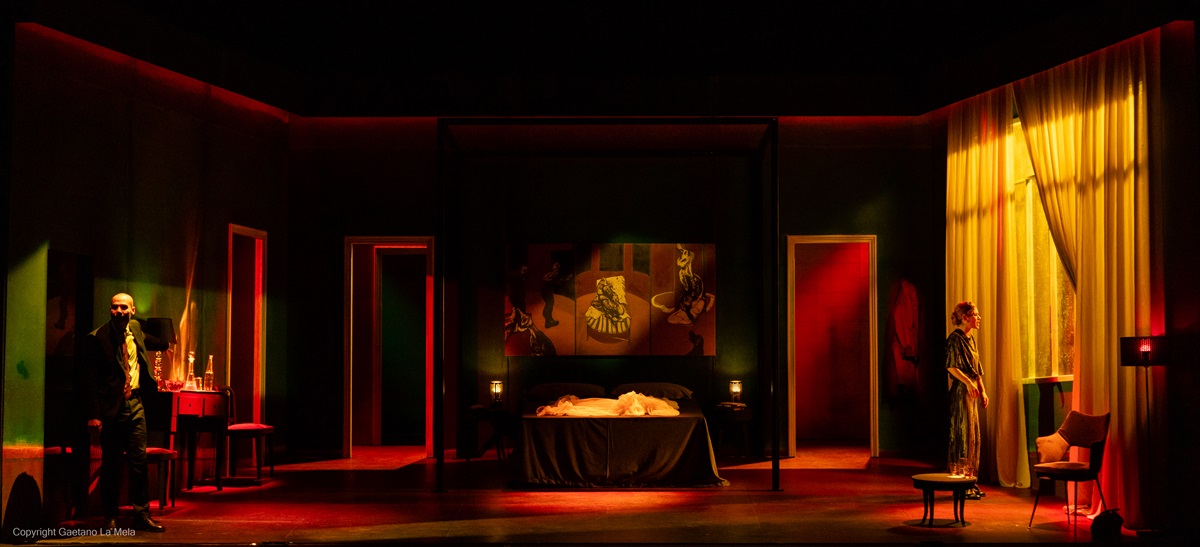
Gaetano La Mela: “I live on light, I smell it, I chew it, I speak it…”
by Cristina Tirinzoni
The Bacchus by Caravaggio is portrayed in a pose, imbued with languid sensuality and bathed in a light that shines on his torso and the whiteness of his tunic, and he holds a cup of wine in his left hand. It is one of the most famous paintings in the history of art, one of those for which people queue to gain entry to the Uffizi. The lighting designer Gaetano La Mela chose it as his WhatsApp profile. “Caravaggio was able to go beyond and literally paint the journey that light makes in the darkness,” says La Mela, age 50, winner of the prestigious 2024 Le Maschere del Teatro italiano award (the Oscar of Italian theatre) for the “best lighting” category with the show Exercises in style directed by Emanuela Pistone and produced by the Teatro Stabile di Catania. It is from this performance that the interview begins, where La Mela talks about his work, his approach to new technologies and what light in theatre means to him…
SPECIAL REPORT
Light and landscape
articles by Elisa Belloni, Gianni Drisaldi, Nancy Tollins, Margherita Suss and Alessandro Zucchi
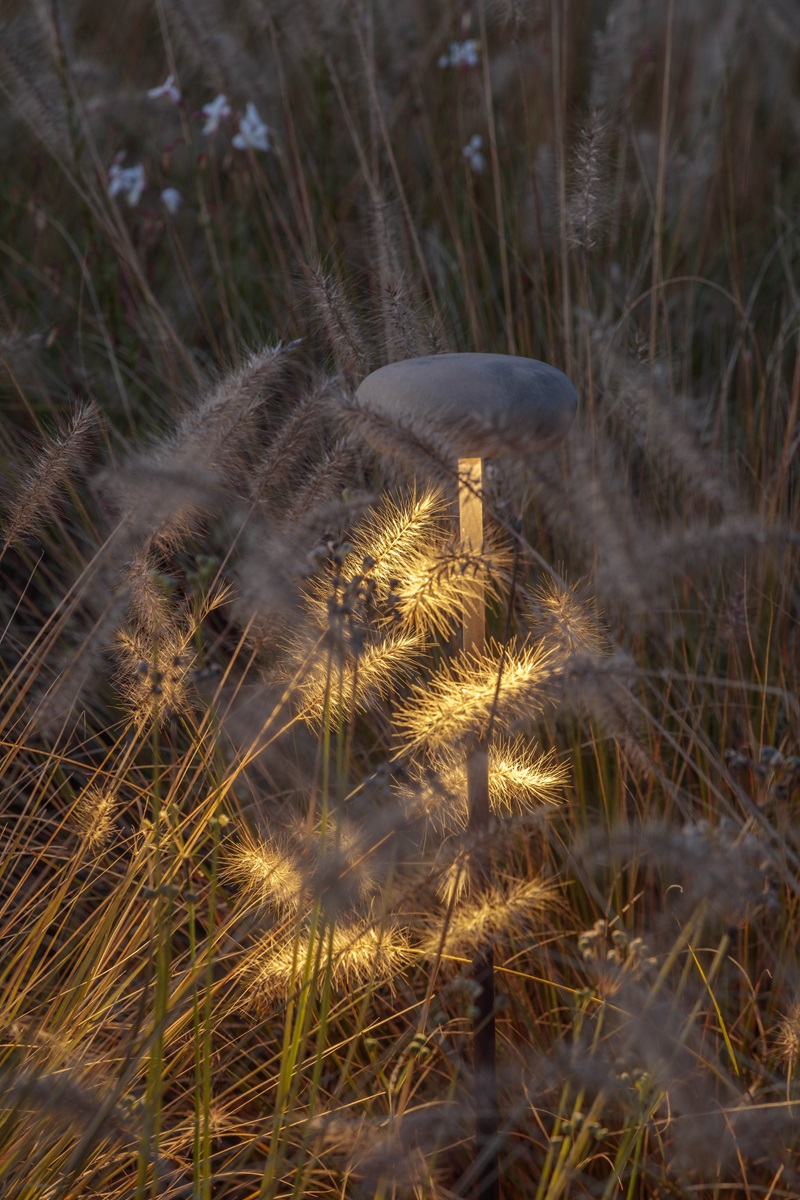
The Special Report in this issue of the magazine is on the significant role of lighting in the enhancement of the landscape as it shapes its appearance at night, extends its enjoyment and, by highlighting its components, emphasises its identity. Together with experts, lighting designers and landscape architects, we discuss the opportunities, challenges and issues, particularly with regard to light pollution. Let us not forget, as the Swiss painter Johannes Itten once reminded us, that “Light, that first phenomenon of the world, reveals to us the spirit and living soul of the world through colours…”
RESEARCH AND TECHNOLOGY
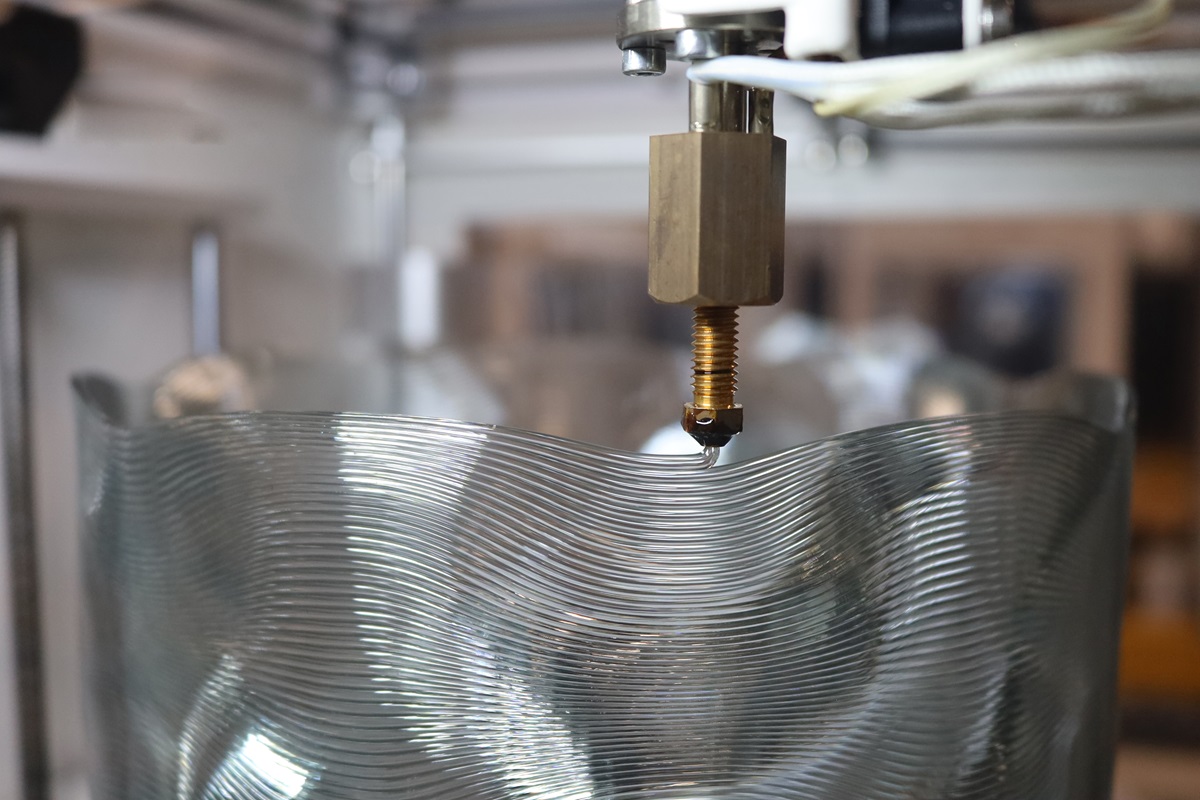
The importance of light for the health of our skin
by David Baeza Moyano, Yolanda Sola Salvatierra, Monica Velazquez Silvestre
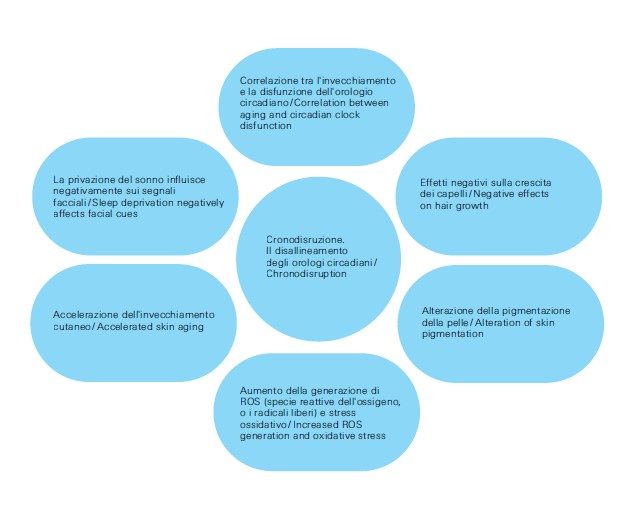
The light entering our eyes not only serves to see, but also influences our health, psychology and behaviour including, in fact, circadian rhythms, sleep-wake cycles, cognitive functions and neuroendocrine balance. All these responses fall within the non-visual (non image-forming NIF) effects of light. Circadian rhythms are reflected in all cells of the human body, including those of the skin, and their function is to optimize the cellular functions and find the advantages associated with sunlight…
SUSTAINABILITY
Sustainable consumption and production. The European strategy
by Matteo Seraceni
Light does not only illuminate our streets and homes, but also the path to a more sustainable future: lighting installations can be key elements of a green revolution. In this context, the European strategy for sustainable consumption and production, announced as part of the European Green Deal and the circular economy action plan, aims to make products fit for a climate-neutral, resource-efficient and circular economy. Key features of this strategy include promoting ecodesign (through the ESPR, the Ecodesign Regulation), encouraging product reparability and durability, and adopting common standards for environmental declarations to ensure transparency and accuracy…
ART TALES
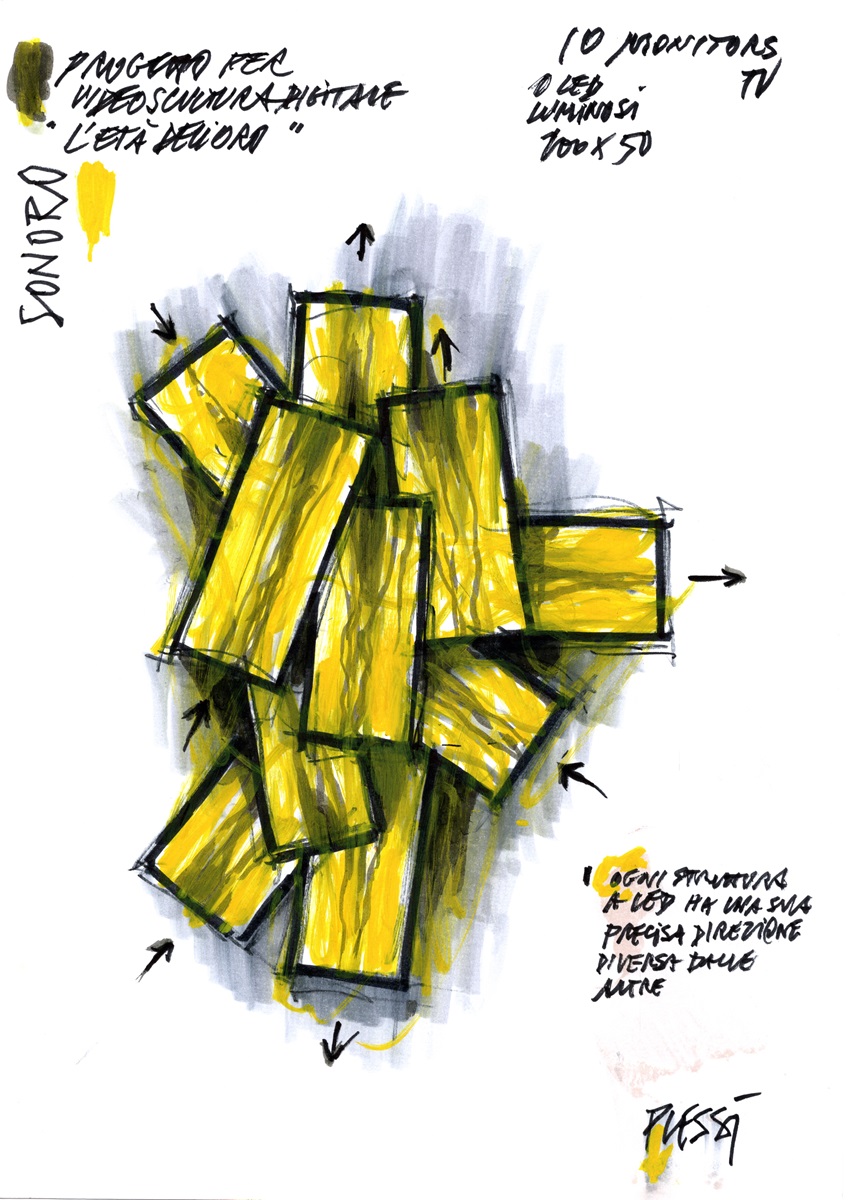
The creative and generating power of Fabrizio Plessi’s drawings
by Mariella Di Rao
The exciting poetic universe of Fabrizio Plessi, in his long activity of no less than five decades, comes to life from his drawings. Indeed, his is a creative, dynamic urgency whose intent is to capture the manifestation of primary elements such as water and fire, and visualise their phenomenology by acting through his video art, “even before the birth of light, when everything was motionless and inert ash,” as Plessi himself writes in one of his many publications. This analysis leads to a good interpretation of the time we are living in, which is made of fluidity, movement and a continuous, elusive change of horizons. The choice to turn to gold in the pandemic era was the result of this ability on the part of the artist, who has always dealt with the elements of fire and water…
LIGHT ART
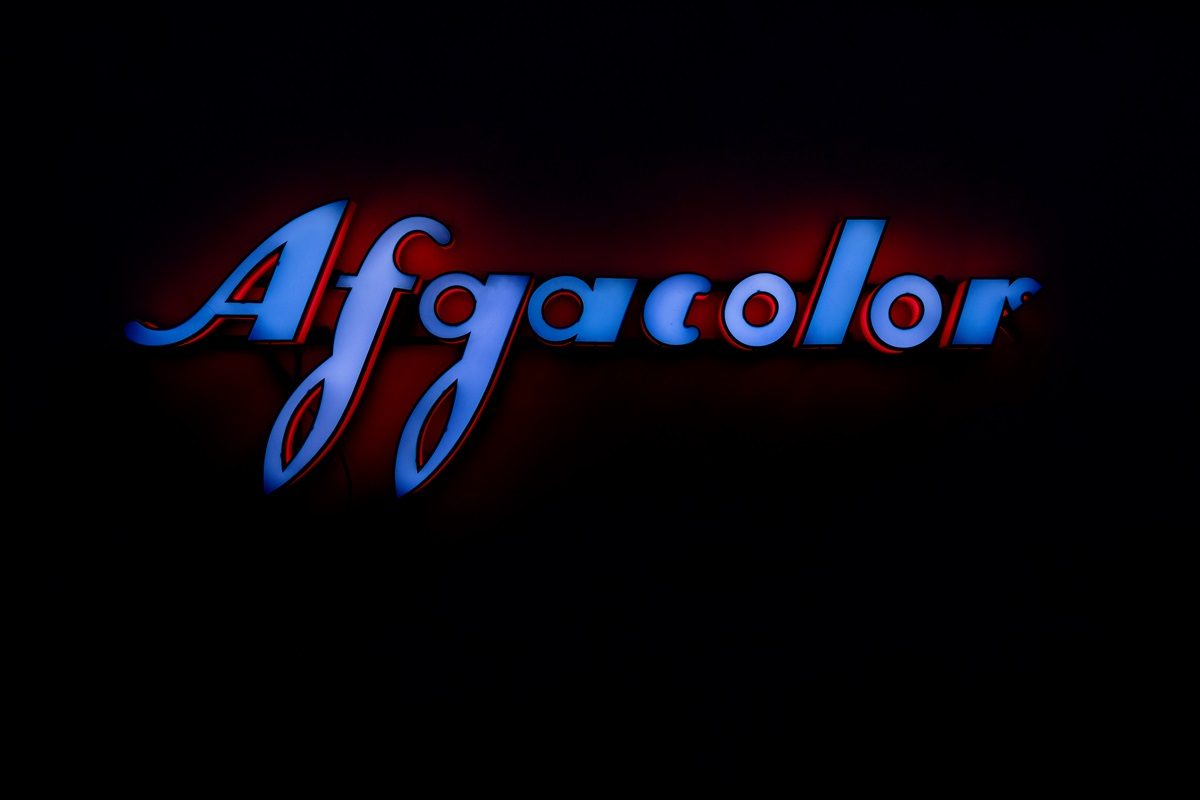
Flavio Favelli: “Neon reveals the paradoxes between art and power”
by Jacqueline Ceresoli
Flavio Favelli (Florence, 1967) is one of the most interesting artists on the international scene. He has exhibited in public and private spaces, in Italy and abroad, and has transformed neon, vintage business and entertainment venue signs and other waste materials, into a distinctive feature of his work focused on memory, identity, criticism and consumer society, intertwining subjective and collective historical cultural references. The neon sign for Favelli is the element of modernity, of the power of advertising; it is an expression of capital, the visual code of consumer society in the age of global capitalism, which has also swept Italy from the years of the economic boom to the new millennium, where even experience becomes emotional marketing…
In LUCE 351 / 2025 you will find many other articles, interviews and in-depth features.
We are always on the lookout for new suggestions and ideas for understanding, explaining and publicising the world of Italian and international lighting.
Keep reading and writing to us!
I am illuminated by creativity
by Mariella Di Rao
The illuminating images of Maurizio Cattelan
by Sabino Maria Frassà
The “M’illumino le torri” project
by Federica Capoduri
A new approach to light for public space and gender equality
by Elettra Bordonaro, Argun Paragamyan
Raffaele De Vita: “Lighting is a universal language”
by Federica Capoduri
Light as a narrative and landscape enhancement tool
by Margherita Suss
Light pollution beyond the sky
by Gianni Drisaldi
The landscaping of Maurizio Vegini and Lucia Nusiner
di Nancy Tollins
Light and design: new technologies and future perspectives
by Elisa Belloni, Alessandro Zucchi
Infrastructure: predictive analytics and AI for safety
by Mariella Di Rao
The fascination of laser light
From cinema illusionism to live music
by Paolo Calafiore
The 2024 Premio Luce award
by Cristina Ferrari
Italy in Light
by Cristina Ferrari
The new LUX Outdoor range by ILTI Luce
by Giulia Ottavia Silla
Umpi X-perience: smart lighting and integrated systems for smart cities
by Giulia Ottavia Silla
Natural light and preventive conservation for the Egyptian Museum of Turin
by the Editorial Team
GEN Z LIGHTS
by Deborah Madolini (storyboard), Alberto Philippson (drawings)


